

Shopping for baby clothes is one of the most delightful parts of preparing for a new arrival. From tiny rompers to matching hats and mittens, every outfit seems designed to melt a parent’s heart. But once the excitement fades, practicality sets in: how much should a complete baby clothing set really cost? Prices vary significantly across UK retailers, making it worthwhile to compare before you buy. Affordable baby clothing sets can be both stylish and high-quality if you know where to look — and understanding what influences prices will help you make the most of your budget.
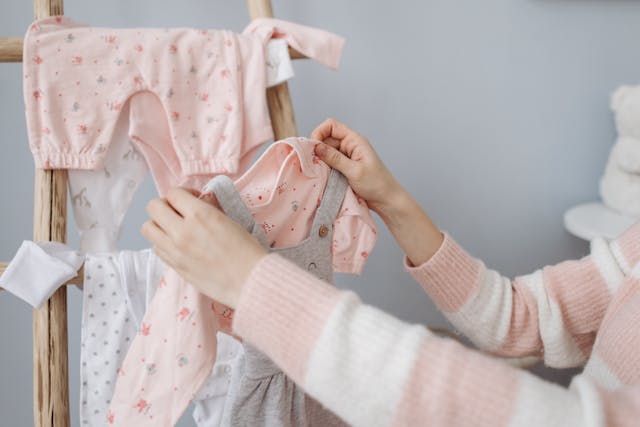 Baby clothing sets typically include several coordinated pieces such as bodysuits, leggings, bibs, hats, or even jackets. In the UK, entry-level sets start at around £10–£15, while premium cotton or organic collections can exceed £50. The price depends on factors like material, brand, and design detail. For example, a set from a supermarket brand might prioritise practicality and affordability, while boutique collections focus on softness, sustainability, and style. Parents often find that mixing budget basics with a few premium pieces gives the best balance between cost and comfort.
Price comparison websites such as www.daddyprice.co.uk make this search far easier by bringing together a wide range of listings from different UK retailers. You can view baby sets from stores like Next, Matalan, or Mothercare side by side and instantly see which offers the lowest prices or fastest delivery. In a world where parents juggle countless daily responsibilities, saving both time and money while ensuring quality is a genuine advantage. Instead of hopping between multiple sites, you can rely on one convenient platform to track deals and seasonal offers on essential babywear.
The best part of these sets is their versatility. Many include matching tops and bottoms designed for quick changes — a crucial benefit when dealing with inevitable spills and nappy accidents. Some sets also come with gender-neutral colours, making them ideal for gifting or reusing with future children. Neutral tones like cream, mint, or soft grey remain favourites for 2025, reflecting a move away from traditional pink and blue stereotypes. UK parents are increasingly drawn to minimal, natural aesthetics inspired by Scandinavian fashion trends, blending functionality with understated charm.
Understanding What Affects the Price
Several key elements influence how much a baby clothing set costs. The first is fabric quality. Cotton is the most popular choice, valued for its breathability and softness against delicate skin. Organic cotton, although slightly more expensive, eliminates harmful pesticides and is often GOTS-certified. Polyester blends are cheaper and easier to wash but can trap heat — something to consider for warmer months. For newborns and sensitive skin, hypoallergenic materials are always worth the investment.
The second factor is craftsmanship. Hand-finished details, reinforced seams, and higher thread counts enhance durability. While babies outgrow clothes quickly, quality construction means garments can be passed down or resold. Thirdly, design plays a role: licensed characters, embroidery, and seasonal prints add charm but raise costs. In contrast, simple unbranded sets deliver excellent value for money.
High Street vs. Online: Where the Savings Are
In-store shopping allows parents to feel fabrics and check sizes directly, but online deals often beat physical prices — especially during seasonal sales. Major UK retailers like George at ASDA, Tesco F&F, and Marks & Spencer regularly discount multipacks and gift bundles. However, price fluctuations happen frequently, and that’s where comparison tools shine. They scan for price drops in real time, ensuring shoppers never miss out on savings. For families working within tight budgets, those small savings add up quickly, especially in the first year when clothing changes every few months.
Delivery costs also make a difference. Some online stores offer free shipping above a minimum spend, while others charge flat rates regardless of order size. Taking this into account during comparison is crucial — what looks cheaper at first glance might end up costing more after adding postage. Using filters for “free delivery” or “in-store collection” options can easily shave off a few extra pounds.
Eco-Friendly and Ethical Options
The shift towards sustainability has reached the baby fashion world too. Parents are now more eco-conscious than ever, seeking products that align with ethical manufacturing. Brands like Frugi, Mori, and Little Green Radicals champion organic fibres and fair trade production, proving that baby fashion doesn’t have to harm the planet. Choosing ethical baby clothing sets is a way to invest in the future — both for your child and for the environment. While these collections come at a higher upfront cost, their quality and durability often justify the expense in the long run.
Recycling initiatives are also gaining momentum. Some retailers now offer take-back programmes for outgrown clothes, providing discounts in return. Others sell second-hand or “preloved” baby clothing sets in perfect condition. This circular approach appeals to budget-conscious parents who still want stylish, sustainable outfits. It also reflects a growing awareness that affordability and eco-responsibility can coexist.
Tips for Getting the Best Value
Timing your purchases can make a big difference. End-of-season and Black Friday sales are prime opportunities to stock up on essentials like sleepsuits and onesies. Buying slightly larger sizes ensures longer wear time, especially since babies grow unpredictably fast. Another smart strategy is to buy in multi-packs — you often pay less per item than when purchasing pieces individually. Parents who anticipate frequent outfit changes find this especially practical.
It’s also helpful to maintain a small mix of outfits: some for everyday wear and others for outings or photos. Everyday sets can prioritise comfort and easy washing, while dressier options can feature details like ruffles or bow ties. Avoid overbuying newborn sizes, as many babies outgrow them within weeks. Instead, focus on 3–6 month sets for longer usability.
Trends for 2025: Minimalist Designs and Comfort Fabrics
Baby fashion trends for 2025 reflect a growing emphasis on comfort, simplicity, and gender neutrality. UK parents are favouring soft pastels, unisex patterns, and sustainable materials. Bamboo fabric is emerging as a competitor to cotton, offering exceptional softness and natural antibacterial properties. Designers are increasingly blending practicality with modern aesthetics, producing clothing sets that look good while staying gentle on delicate skin.
Another notable trend is modularity — sets that can be mixed and matched across seasons. A lightweight cardigan that pairs with both summer rompers and winter trousers extends wardrobe flexibility. These modular outfits reduce waste and simplify dressing routines, something all parents appreciate during busy mornings.
The Power of Smart Comparison
For parents navigating the UK’s crowded babywear market, knowing where to shop is half the battle. That’s why platforms like daddyprice have become essential tools for savvy families. By displaying clear side-by-side comparisons, they eliminate the guesswork. You can instantly find out which retailer has the best deal, whether it’s for a simple cotton sleepsuit set or an organic bamboo gift bundle. It’s not about cutting corners — it’s about buying smarter.
As the cost of living continues to rise, affordable baby clothing doesn’t have to mean compromising on quality or comfort. With just a few clicks, parents can uncover hidden deals, compare brands, and shop confidently. The right clothing sets make everyday life easier, wrapping little ones in comfort while keeping your budget on track. In the end, the best value is found not in the lowest price, but in clothes that make your baby feel happy, cosy, and ready to explore the world.

